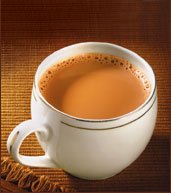
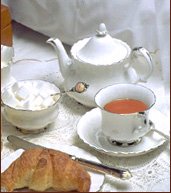
Relationship can only happen with Wagh Bakri Tea
Showing posts with label India. Show all posts
Showing posts with label India. Show all posts
Friday, September 4, 2015


Sunday, August 30, 2015
Tealicious - A taste that tingles

I may have tasted many blends of tea as a regular consumer but what has increased my fixation to this wonder beverage are the Darjeeling and Premium Black Leaf Variants.
Darjeeling Leaf is grown in the notified gardens of the District of Darjeeling in the Indian State of West Bengal. Though the seeds sown were of Chinese origin the plant grew well and yielded leaf of amazing aroma and taste.

The premium production of this wonderful aromatic leaf depends upon the flush and also the estate it is produced in. The Tea Board of India certifies the authenticity of the produce. To bring the cost lower the leaf is also blended with premium black leaves. But this is not always the case as blending with the black leaf may yield a mix with superlative taste.
Assam produces one of the finest black teas in India. While the leaf is cultivated in highlands in Darjeeling in this State it is cultivated at sea level. The State is a major producer and has large number of garden producing quality leaf. It is also known for its deep color and malty taste. It finds use in many exotic blends as well. But consumption is completely consumed by Indian masses. A part of exquisite premium blends are exported to UK and many other countries since ages.
Both Assam and certified Darjeeling tea are exported to exported to UK and many other countries. The finest premium blends are not for mass consumption cost prohibiting. But small quantities are added to create fine brands for mass consumption.
Both teas are tealicious just buy, brew and enjoy.

The premium production of this wonderful aromatic leaf depends upon the flush and also the estate it is produced in. The Tea Board of India certifies the authenticity of the produce. To bring the cost lower the leaf is also blended with premium black leaves. But this is not always the case as blending with the black leaf may yield a mix with superlative taste.
Assam produces one of the finest black teas in India. While the leaf is cultivated in highlands in Darjeeling in this State it is cultivated at sea level. The State is a major producer and has large number of garden producing quality leaf. It is also known for its deep color and malty taste. It finds use in many exotic blends as well. But consumption is completely consumed by Indian masses. A part of exquisite premium blends are exported to UK and many other countries since ages.
Both Assam and certified Darjeeling tea are exported to exported to UK and many other countries. The finest premium blends are not for mass consumption cost prohibiting. But small quantities are added to create fine brands for mass consumption.
Both teas are tealicious just buy, brew and enjoy.
Wednesday, May 20, 2015
The Jewel in The Crown - Tea
Throughout the centuries the wonderland India was the target of many civilizations. The invaders and plunderers were the first to arrive and arrive they did relentlessly. The Greeks, Mongols, Arabs were the invaders who did not stay put but wrecked havoc on a populace that had long ago forgone militancy. The campaigns were brutal besides imposing ideological alterations vehemently as proselytizers.
The land of rivers, forests and riches was a cynosure of many global entities. A branch of Moghuls settled permanently and rejoiced in conquest that was both enriching and at times brutal. The conquest was both overpowering and imposing. They brought about an enrichment by admixture of foreign culture in terms of lifestyle and architecture and religious pursuits but not more.
The British set about a paradigm change as rulers wherever they went including in the Jewel in Crown. The junta paid a price through voracious economic exploitation, famine and subvert domination. But the then superior civilization in terms of technology and innovations did the populace a lot of good as well. They brought in infrastructure, organized and systemic management techniques - politically and administratively - and reforms all of these still persist in contemporary era.
The masters had caught on to tea by 1700 as a beverage. This was until then a medicine in the cabinet. The popularity of the beverage brought into the fore play the dynamics of economics. To counter highly priced leaf from China efforts were made to cultivate the leaf in India.
About 1800 Governor General William Bentinjck appointed a committee to cultivate the leaf in India. But in the absence of closely guarded Chinese cultivation technique the initial foray was a failure. Experimentation were than carried out in Assam with the result the Indian State is one of the leading producer.
Subsequently the Nation became a quality tea producer and the black leaf became popular in England and Australia.
Thomas Lipton a Scot by Birth began purchasing the leaf in bulk in order to market it at a cheaper rate the the Chinese leaf. Today Lipton is a global brand. Though the production saga was phenomenal the locals were still far away for this wonder beverage and that is what the preceding two blog entries are about.


The Tea Campaigns
The tea campaign by the Association continued in India unabated. The campaign was yet to enter Indian homes especially the housewife. To make the beverage popular in households women were the key but they could be tempted by the stall large and big keeping the conservative attitudes in mind.
The strategy to entice this elite clientele used was simple. Visit Indian homes and train the better halves to make the brew. Street by street the brew was popularized in the homes. Towns big and small were all targeted with effective fervor. The success was earmarked by invitations that the campaigners received from homes for demonstrations. But the campaign in the villages was most successful in the first half of the 1900.
The Indian army too was targeted apart from villages and the tea consciousness came about rapidly. Such was the success of these campaigns that the consumption became not only a household phenomenon it also became institutionalized.
This must have the first ever marketing campaign in such mass scale that initiated a habit so strong that it has become a phenomenon.


Chai! How it began in India


Its relation building and bonding mechanism out does the drink mates in the bar. Many a deals are sealed over a cup of tea hot steaming one at that. In India it is customary to serve chai to official visitors of fellow business men.
In earlier times this beverage was considered as a medicine in the subcontinent. But as the popularity increased the leaf turned into a beverage unsurpassed by any. I remember elders telling me of popularity of milk and jelebies as customary offerings in stalls in India. At that time tea was not in the reckoning at all.
In earlier times this beverage was considered as a medicine in the subcontinent. But as the popularity increased the leaf turned into a beverage unsurpassed by any. I remember elders telling me of popularity of milk and jelebies as customary offerings in stalls in India. At that time tea was not in the reckoning at all.
It was the British who made the brew popular in the country. Themselves fond of this hot beverage they promoted its cultivation in India and developed a vast market as well. Indian Tea Association owned by the British succeeded in conversion of masses into avid tea drinkers during the nineteen hundred.
But the real boost for tea consumption came about during the World War I. The Tea Campaign initiated stalls at factories, coal mines, and mills. This was eventually followed by the tea canteens.
Railways was another booster the Tea Association equipped small contractors with kettles and cups and packets of tea. In the beginning these vendors worked in Punjab, Northwest Provinces and Bengal railway stations.
Railways was another booster the Tea Association equipped small contractors with kettles and cups and packets of tea. In the beginning these vendors worked in Punjab, Northwest Provinces and Bengal railway stations.
The vendors in spite of careful guidance the masters paid no heed and made the hot beverage their own way. This is how chai came into being added with lot of milk and sugar and sometimes jaggery. Till this day the loud call of the vendors Chai!Garam Chai can be heard at each and every railway station.
The next step was to set up stalls in large towns which was resisted by small vendors who brought about a new innovation. They added flavors and spices in order to out bid the larger stalls.
It was at Kanpur that spice tea came into being with the add mixture consisting of cinnamon, cardamom, cloves etc. This tool place in a Kanpur Mill canteen. Much popular all over the World this was later called the masala chai.
It was at Kanpur that spice tea came into being with the add mixture consisting of cinnamon, cardamom, cloves etc. This tool place in a Kanpur Mill canteen. Much popular all over the World this was later called the masala chai.
Saturday, November 29, 2014
World's Best Tea Leaves
Although Darjeeling Leaves are one of the finest teas in the World many sites do not mention the wonder. Hence after collecting lot of information here is short list.
Dryer Mouth grown in Kenya is considered as one of the World's finest. An antioxidant rich leaf it has robust and full bodied flavor and hence favored by many connoisseurs all over the globe. Most surprising aspect about this wonderful black tea is its health beneficial contents. The brew is many times richer in beneficial contents and antioxidants.
Dryer Mouth is there considered as one of the leaves that fight cancer, cardiovascular disease and many other ailments. The cost of the leaves is somewhat expensive whence considered with popular Indian leaves. It is sold by Elemental Tea Company

Ceylon Souchang is a single estate leaf grown in Rilhena by Dilmah Company a leading house in Sri Lanka. Smoked over cinnamon wood the leaf accords unique woody flavor which is most liked by the connoisseurs.
Friday, September 19, 2014
To Flavor or Not To Green Leaf Subji & What Not
Most of the hard core tea drinkers like me want the regular hot stuff. But this does not mean that I do not go in ginger and cardamom flavored tea. Another leaf I like to indulge in sometimes is Darjeeling. You do not need to add any flavors or spices to this magical brew. The leaf is cultivated in may gardens in the District.
But in recent times masala chai has become every popular. Earlier only few spices where added during the cooking process whence making chai. In the recent time tea connoisseurs are discovering various flavoring methodology by regulars. The buck stops at nothing, flowers, exotic herbs and essential are being added to the brew. This is more of a local phenomenon since the black tea popularity has nowhere decreased.
 |
| Iced Lemon Tea |
 |
| Darjeeling Tea |
 |
| Cool Green Tea |
Well each to his own even if you add finest alcohols there is a sizzling cocktail waiting for you. With tea there is no limit to creativity which defines art of cooking. May be someday green leaf subji will be available in the Indian restaurants and tea lounges which have recently entered the fray in India
Monday, June 30, 2014
History Of Tea
It is said and written everywhere that tea beverage was first discovered whence a leaf fell into a war cup of water. Obviously it was the Chinese Emperor who happened to be holding the cup. This goes about five thousand years back whence Indus Civilization was taking roots in the sub continent.
How tea came to India is little known except it was the British who initiated commercial plantation. It is quiet likely that tea plant was found in North East India from ancient times. The brew was perhaps consumed for medicinal purpose by the tribes inhabiting that region.
The British also created a commercial demand for this hot beverage. They did this by initially distributing free packets of leaves to the Indians. Before the introduction of tea people used to drink milk for breakfast. This changed dramatically and we are now addicted to the brew or rather it has entered our daily habit.
The dramatic spread of tea cultivation in Asia is well known. China and Japan grow exotic varieties of green leaf while India is known to be a mass producer of black leaf. Nevertheless India grows some exquisite variety of leaves like the Darjeeling, Assam and Nilgiri premium teas.
The country consumes most of the cultivation within itself. But does export whence the crop is robust. India also exports some fine blends of its premium teas to many countries.
Monday, January 13, 2014
Which are the places recommended for tea plantation?
India is, as on day, one of the largest tea producing country of the world. Ironically, more than 70 percent of planted Indian leaf is consumed within the country. A large-scale production was started to grow with the efforts of (in the early 1820s) the British East India Company in Assam, India. Virtually, tea industry of India has drastically grown to develop to multiple brands at International level. It is ranked as one among the technologically sound and well-equipped industries among the best in the World.
Darjeeling and Assam are the major areas involved in producing teas at very high level and supplied to different cities of India. The Tea Board of India is the controlling body to grade production, exportation, certification, and other related facets in the trade in India. To coup up the plantation, there are a few areas in India carrying best factors for cultivation.
Darjeeling: It’s one of India’s populated hill stations and is widely capped by plantations that produce elegant light colored, floral smelling tea. This hill station shares about 25% of Indian production in the form of output. Initially graded as the finest tea growing Estate, at 2,750 meters above sea level by the Englishman it retains its popularity even now. Darjeeling is also known to have one of the highest gardens in the world.
Assam: It is a North-East state of India and is the largest tea producing belt in the country. The state is mostly covered the Valley of Brahmaputra. The malty Assamese leaf incorporates bright color. Jorhat positioned itself in the central portion of the valley is recognized as the "Tea Capital".
Munnar : There are wide lush plantation, in this hill station, by miles after miles. About 1600 meters above sea level, the place is flourishing with the plantations and which generate revenue to State and Central Governments through taxes.
Initially, Tata the largest tea manufacturing company in India owned it, but employees themselves now run it. The TATA Tea Museum amazingly portrays the growth of Munnar Estates, Visitors to the museum can see and enjoy on various stages of processing.
Wayanad : It is actually a lush and a mountainous agricultural area belonging to the city of Kerala. This city is involved in the production of some significant amounts in combination with spices and coffee. Majority of tea plantations are located south of Kalpetta. The Estate here is run by a co-operative of Tribals who work and live within on the estate
Nilgiti Mountains: The mountainous Nilgiri district of Tamil Nadu, in south India, is also renowned for its intensely aromatic and distinctive dark leaf. Tea has been grown there for more than a century back and is the most vital industry in this belt . In fact, Conoor is the most suitable place to discover Nilgiri Leaf. Tea is produced throughout the year in Nilgiri. However, people produce good quality of teas starting from the duration of late November to mid of February.
Assam: It is a North-East state of India and is the largest tea producing belt in the country. The state is mostly covered the Valley of Brahmaputra. The malty Assamese leaf incorporates bright color. Jorhat positioned itself in the central portion of the valley is recognized as the "Tea Capital".
Munnar : There are wide lush plantation, in this hill station, by miles after miles. About 1600 meters above sea level, the place is flourishing with the plantations and which generate revenue to State and Central Governments through taxes.
Initially, Tata the largest tea manufacturing company in India owned it, but employees themselves now run it. The TATA Tea Museum amazingly portrays the growth of Munnar Estates, Visitors to the museum can see and enjoy on various stages of processing.
Wayanad : It is actually a lush and a mountainous agricultural area belonging to the city of Kerala. This city is involved in the production of some significant amounts in combination with spices and coffee. Majority of tea plantations are located south of Kalpetta. The Estate here is run by a co-operative of Tribals who work and live within on the estate
Nilgiti Mountains: The mountainous Nilgiri district of Tamil Nadu, in south India, is also renowned for its intensely aromatic and distinctive dark leaf. Tea has been grown there for more than a century back and is the most vital industry in this belt . In fact, Conoor is the most suitable place to discover Nilgiri Leaf. Tea is produced throughout the year in Nilgiri. However, people produce good quality of teas starting from the duration of late November to mid of February.
Monday, September 30, 2013
Types of Assam tea
Tea growing regions of India, Assam has acclaimed its name as the largest production and cultivation house all over the world. This is due to presence of long seasons with favorable growing conditions. Of course, Assam leaf has been a success since a long time. The leaves are often plucked from the plants of camellia sinesis which produces quality black leaf. When a person is about to gather information about the Assam leaf and its types, most of the research will be confined to the malty flavor and bright color of the black tea which is also called popularly as the Breakfast Tea.
Very much close to the borders of Bangladesh and Burma, on the coasts of Brahmaputra river, Assam tea is grown in plenty with organic cultivation which wins trust and credibility of millions of consumers in the entire world.
Harvesting seasons for Assam Tea
• First Flush – Among the two harvesting seasons, the first flush comes first in which late March is the best time to pluck out tea leaves.
• Second Flush – This one is regarded as more sweetened and natural version of the Assam variety, also called as ‘tippy tea’, known for its prized and full body texture. Of course, the texture, flavor, color and aroma of the second flush harvest is quite superior than the first one and even to the Chinese bush.
Famous types of Assam tea
• Black tea – As discussed earlier, this produce has been often termed as the Breakfast Tea and is characterized for its tart, full body texture, beautiful but natural aroma and vigorous body structure. It has long been used as Irish, English and Scottish breakfast tea.
• Green Tea – Although smaller section of tea production is also accounted for the green tea in Assam, it is often known for its taste and distinct flavor & aroma. Here, you will be surprised with the notations and characteristics of local green tea where natural color and brightness of leaves are preserved in the production process.
• Organic tea production – As per the safety standards of cultivation the plants are closely regulated and inspected on scheduled basis so that massive amount of produce is obtained, with rich taste and realistic aroma. You will never find here the use of chemical pesticides, fertilizers and any other method to contain soil moisture because all of these are achieved naturally.
Tea cultivation season, regions and time zone for Assam
Against the common time zone preferred in Darjeeling and Sri Lanka, Assam cultivation period is often known as the Tea Garden Time, Bagantime. Of course, the Assam tea is grown in the lowlands area, Brahmaputra Valley as of opposite to the highland cultivation in Nilgiri and Darjeeling Regions. The nutrients and soil texture is harnessed at the maximum which gives boost the quality and quantity of tea production in Assam.
Very much close to the borders of Bangladesh and Burma, on the coasts of Brahmaputra river, Assam tea is grown in plenty with organic cultivation which wins trust and credibility of millions of consumers in the entire world.
Harvesting seasons for Assam Tea
• First Flush – Among the two harvesting seasons, the first flush comes first in which late March is the best time to pluck out tea leaves.
• Second Flush – This one is regarded as more sweetened and natural version of the Assam variety, also called as ‘tippy tea’, known for its prized and full body texture. Of course, the texture, flavor, color and aroma of the second flush harvest is quite superior than the first one and even to the Chinese bush.
Famous types of Assam tea
• Black tea – As discussed earlier, this produce has been often termed as the Breakfast Tea and is characterized for its tart, full body texture, beautiful but natural aroma and vigorous body structure. It has long been used as Irish, English and Scottish breakfast tea.
• Green Tea – Although smaller section of tea production is also accounted for the green tea in Assam, it is often known for its taste and distinct flavor & aroma. Here, you will be surprised with the notations and characteristics of local green tea where natural color and brightness of leaves are preserved in the production process.
• Organic tea production – As per the safety standards of cultivation the plants are closely regulated and inspected on scheduled basis so that massive amount of produce is obtained, with rich taste and realistic aroma. You will never find here the use of chemical pesticides, fertilizers and any other method to contain soil moisture because all of these are achieved naturally.
Tea cultivation season, regions and time zone for Assam
Against the common time zone preferred in Darjeeling and Sri Lanka, Assam cultivation period is often known as the Tea Garden Time, Bagantime. Of course, the Assam tea is grown in the lowlands area, Brahmaputra Valley as of opposite to the highland cultivation in Nilgiri and Darjeeling Regions. The nutrients and soil texture is harnessed at the maximum which gives boost the quality and quantity of tea production in Assam.
Monday, September 2, 2013
Tea gardens in India
Tea is a plant that is consumed on a daily basis in India. India in Asia is one of the largest producers and most of the produce is consumed locally and the rest is exported. Since tea is one of the products that are consumed throughout India, the different tea companies are trying to expand their base.
Many tea companies that India own large numbers of tea gardens and its predominance is seen in states like Assam, west Bengal, Karnataka, all north eastern states, states have tropical conditions and hill slopes. The hilly areas in the country are being utilized to a great extent by cutting terraces on them and using them for cultivation. The owners of the major tea processing companies in India are acquiring more and more land. All the hilly areas that were once abandoned are now being converted into tea gardens in the country.
Tea garden owning in India are also responsible for the increase in employment in the private sector. With the increase in the number of tea gardens, the labor required also increases and hence employment and income both is generated.
The tea garden owning industries have to be very careful with the location of the gardens. Owning a tea garden a proper place matters. The climatic factor is the most essential factor when it comes to plantation of tea. Then comes the soil. The tea gardens are established on the hill slopes. Since the land is inclined there is no water logging when the plantation is done.
Tea companies that do not own gardens keep buying raw leaves from other estates. The processing time is very little since the leaf might lose its essence and flavor hence timely procurement is important. Many companies own large tea gardens some are working towards acquiring more of them. With this the prediction of tea production to rise steadily is definitely going to come true in the near future.
Most of the tea estates are established in the Indian State of Assam, Darjeeling Hills in West Bengal and the Nilgiris in the South. Tea estate companies do not necessarily own major brands many are just processors and suppliers of the leaf.
Major tea producing centers have become destinations for tourism. There are many tour companies organizing tours to tea estates. This is a unique experience of local culture with insight into cultivation, processing amd packaging of tea. The salubrious climate and picturesque settings are instrumental in attracting many inbound tourists.
Major tea producing centers have become destinations for tourism. There are many tour companies organizing tours to tea estates. This is a unique experience of local culture with insight into cultivation, processing amd packaging of tea. The salubrious climate and picturesque settings are instrumental in attracting many inbound tourists.
Saturday, August 31, 2013
Major tea companies in India.
In India every household is a consumer of tea. Not only on daily basis, it is a part of everyone’s life because it is actually consumed more than one time during a day. Tea more than choice is a necessity for hundreds of people in India now. Even though we Indians as daily consumers of this hot beverage hardly have any idea about the way it came out of its shell and started playing a major role in our lives. Not only that, we hardly have any idea about its origin or its current processing methods in our country. Despite of all this one thing we have to be sure of is that since India is one of the largest consumers of tea in the world. The country has major tea processing industries located in the North East and South.
Tea was introduced to the Indian consumers during the advent of the British. It was then that our country men started converting the lands for tea cultivation and most probably it was in the 1950s that the plant was introduced and accepted as a recreational drink. Today India is one of the largest producers and processor of tea and more than 70% is consumed by the country itself. With these rates of production and consumption the country is bound to have the major tea processing companies and gardens.
Breaking the monopoly of the Chinese the first step in was taken by the British East India Company when they used Chinese seeds and started cultivating tea in India. With time and advancement of technology the leaf production increased and modern methods of production and processing came into being.
This is what makes India a proud country of major tea processing companies.
India is not only the largest consuming nation in the world but is also as mentioned earlier the largest tea producing nation too. There is even an expectation that the major producing companies will grow in the coming year. Most of the companies are located in the following state - Orissa, Bihar, Mizoram, Meghalaya, West Bengal, Karnataka, Assam, Himachal Pradesh, Sikkim, Arunachal Pradesh, Tripura, Tamil Nadu, Gujarat, Nagaland, Uttarakhand and Manipur. Some of the big concerns in India are Wagh Bakri House based in Ahmadabad, Tata, Lipton, Duncan and Brook Bond.
As the expectation is high that the production will increase in the coming year and so will the consumption. Forming a major part of India’s GNP the tea companies are the largest employers of semi skilled and skilled work force. They contribute towards the income that is generated via export as well.
Tea was introduced to the Indian consumers during the advent of the British. It was then that our country men started converting the lands for tea cultivation and most probably it was in the 1950s that the plant was introduced and accepted as a recreational drink. Today India is one of the largest producers and processor of tea and more than 70% is consumed by the country itself. With these rates of production and consumption the country is bound to have the major tea processing companies and gardens.
Breaking the monopoly of the Chinese the first step in was taken by the British East India Company when they used Chinese seeds and started cultivating tea in India. With time and advancement of technology the leaf production increased and modern methods of production and processing came into being.
This is what makes India a proud country of major tea processing companies.
India is not only the largest consuming nation in the world but is also as mentioned earlier the largest tea producing nation too. There is even an expectation that the major producing companies will grow in the coming year. Most of the companies are located in the following state - Orissa, Bihar, Mizoram, Meghalaya, West Bengal, Karnataka, Assam, Himachal Pradesh, Sikkim, Arunachal Pradesh, Tripura, Tamil Nadu, Gujarat, Nagaland, Uttarakhand and Manipur. Some of the big concerns in India are Wagh Bakri House based in Ahmadabad, Tata, Lipton, Duncan and Brook Bond.
As the expectation is high that the production will increase in the coming year and so will the consumption. Forming a major part of India’s GNP the tea companies are the largest employers of semi skilled and skilled work force. They contribute towards the income that is generated via export as well.
Wednesday, July 31, 2013
English Teas and Ceremonies; History of origin of tea
English Teas and Ceremonies originated early at the time of British. They consumed unprocessed green tea processed in boiling water. This was very beneficial for the human body to keep fit and healthy. English tea is a hot drink which is enjoyed at home as well at the working place. It keeps people fresh and energetic as it changes the body temperature. Tea is used as a medicine as well and as a manner to celebrate an occasion.
Tea enhances learning capacity and helps in sharpening the memory. It also becomes one of the reasons to keep the people in touch with each other. This is one of the essential drinks taken along with the breakfast. Some people are just crazy about it they love to have it and enjoy it with great joy and happiness. One of the essential items to celebrate any occasion is tea. The beverage was introduced by the British in India and from that time it has become part of lifestyle.
At that time the British used to have unprocessed tea. This possessed many antiseptic qualities and cured people from many diseases. This hot beverage is liked in cold days as it gives warmth and helps in controlling body temperature. People even drink about 2-3 cups in a day to keep themselves energetic and active in order to perform their tasks nicely.
Top 7 brands of tea
• Wagh Bakri is one of the famous brands. The company blends the finest leaves and sells them under many brands which are worldwide famous and well liked.
• Society brand is mostly liked among the people during functions.
• Duncan’s double diamond tea is one of the famous brands among the leading one.
• Brooke Bond red label tea is one of the high revenue products of Hindustan Unilever and a popular brand name.
• Taj Mahal is also of the high segment revenue product of Hindustan Unilever and gives a satisfactory taste to the people.
• Tata tea is one of the in demand products from the House of Tatas.
• Lipton’s famous product is Lipton tea but as compared to the above mentioned product it’s not that popular.
Different types of tea
Tea Ceremony is one of the reasons to invite someone home or to go out with friends and relatives. Different brands of tea are available in the market which can be consumed according to one’s taste. Different age groups of people like different types of teas with different brand names. There are various types of this beverage like chai, ice tea, green tea, bubble tea etc. These are available and made in home as well as in market.
Tea has become the drink during celebrations and gives happiness to number of people.
Tea enhances learning capacity and helps in sharpening the memory. It also becomes one of the reasons to keep the people in touch with each other. This is one of the essential drinks taken along with the breakfast. Some people are just crazy about it they love to have it and enjoy it with great joy and happiness. One of the essential items to celebrate any occasion is tea. The beverage was introduced by the British in India and from that time it has become part of lifestyle.
At that time the British used to have unprocessed tea. This possessed many antiseptic qualities and cured people from many diseases. This hot beverage is liked in cold days as it gives warmth and helps in controlling body temperature. People even drink about 2-3 cups in a day to keep themselves energetic and active in order to perform their tasks nicely.
Top 7 brands of tea
• Wagh Bakri is one of the famous brands. The company blends the finest leaves and sells them under many brands which are worldwide famous and well liked.
• Society brand is mostly liked among the people during functions.
• Duncan’s double diamond tea is one of the famous brands among the leading one.
• Brooke Bond red label tea is one of the high revenue products of Hindustan Unilever and a popular brand name.
• Taj Mahal is also of the high segment revenue product of Hindustan Unilever and gives a satisfactory taste to the people.
• Tata tea is one of the in demand products from the House of Tatas.
• Lipton’s famous product is Lipton tea but as compared to the above mentioned product it’s not that popular.
Different types of tea
Tea Ceremony is one of the reasons to invite someone home or to go out with friends and relatives. Different brands of tea are available in the market which can be consumed according to one’s taste. Different age groups of people like different types of teas with different brand names. There are various types of this beverage like chai, ice tea, green tea, bubble tea etc. These are available and made in home as well as in market.
Tea has become the drink during celebrations and gives happiness to number of people.
Thursday, May 16, 2013
History of tea in brief
Tea has been consumed in many countries since thousands of years. First creditable records appear from China dating back to the 3rd century AD. The use in earlier period may have been for medicinal purpose and its use as beverage may have been accidental.
The tea may have been used similarly in Eastern India but there are no records. The tea was introduced into India during the 19th century by the British. They used Chinese Seed and cultivation technique on large scale of lands cleared for tea plantation. Some local Assamese variety was also cultivated. Today India is the largest producer of tea leaf after China and exports a substantial amount in bulk and packets. Several varieties of tea is grown in many countries now but not on very large scale.
Eventually tea become popular among the Indian masses as late as 1950. This was due to aggressive promotion by the rulers. Today it has become a lifestyle product with it being consumed daily in the morning and evening. Tea is served almost any time of the day to visitors and business associates etc.
The number of varieties of this wonderful brew is mind boggling with Assam Black and Darjeeling Green being the connoisseurs choice. The leaf after blending by experts is available in many kinds of packing. The carton is most popular followed by tea bags and plastic jars. Tea leaf is also available in loose bags or big cartons.
The brew is consumed without milk in many countries. In India it is prepared with milk and sugar. Another Indian brew that is very popular is the Masala Chai or Spiced tea. This is actually a mixture of tea leaf with suitable spices offering additional flavor to the taste. A vast variety of spices are used to blend with the leaf. Some of the spices added have medicinal properties along with a distinct aroma.
For more information read History of Tea
For more information read History of Tea
Tea Lounge - Doorway to a relaxed cheerful ambiance
It is a bar no it is a coffee shop no you buy snacks here. Well it is a tea lounge. These places comes in various shapes and size. Some are created out of a barn or a garage while the rest are upmarket posh restaurants that serve tea in various flavors.
Wagh Bakri Tea Company has established to upmarket lounges one in New Delhi and other in Mumbai. These are bars where you can relax and sip the hot beverage. The choice is yours the tea company specializes in blending the finest leaves from all over India. These are processed and packed in hygienic conditions to be marketed in India and many other countries.
The five star lounges are plush with warm interiors and located uptown. They serve hot tea beverage ranging from Darjeeling to finest black tea from Assam. You can order instant premix, iced teas and masala chai the latter being a ranging concept all over the Globe.
In college days I used to frequent the coffee houses in Jabalpur. These were community places where you could sit for hours gossip, chat or fall into an intellectual discussion over a cup of coffee. Hence these houses were frequented by regulars mostly retired people, recluse and people who had nothing much to do. Well it was fun for us and we still do it but not most often.
This is what the tea lounges promise - a community place with an added advantage of modern decor and stylish ambiance. In things is what you would refer them as well more are to come. These are for those who like cheerful places with delicious hot beverages and not the murky dingy alcohol bars.
Tuesday, October 11, 2011
Indian Tea: Make your own brew
Tea like elsewhere is brewed in various manner in India. The most popular is the black leaf from Assam and Nilgiri. Black and green tea from Darjeeling are of premium variety consumed by connoisseurs and the upper class.
Black tea brew is less popular in India but is consumed by many whence milk is a difficult commodity. The chai is popular all over India and is brewed with addition of cow, buffalo and goats milk. In rural India sugary brew is much preferred as a tradition.
Masses like plain and simple chai without any addition, milk being an exception. But in winters some other forms of tea are consumed.
My best combination is shreds of ginger and cardamom added to the boiling liqueur. This is a wonderful mix and gives relief from cold and indigestion as well. Some consumers add a dash of lemon to black tea. Another good addition to the brew is cinnamon. If you add in right quantity the flavor and aroma is magnificent
Some health conscious drinkers add lemon grass especially to ward of cold and bad throat. For me ginger does this job well. There are various mix of masalas available in packets all over the country. Some of these are fine blends and add to the taste of the brew.
Many with subtle taste add varying quantity of milk in black tea. I like chai this way it is mostly available in cafe, restaurants and Indian Railways. Read more on Chai Tea in India.
Friday, September 9, 2011
Tea in India
Of all the conquerors the British had a long lasting impact on the people of India. They introduced many things that are still a part of Indian society. Like the English language, tea was propagated during the Raj and both have proved beneficial.
Tea leaf grew since ages in the wilds of Eastern India and China and was unheard of in many parts of the country. Early morning intake was milk and jelebi a spiraled sweet made of flour deep fried and then dipped in tons sugar syrup. The leafs were used as medicine during the 18th and 19th century in the country.
The plantations came into picture during the late 18th century. The promotional campaign started by Indian Tea Association slowly and painstakingly popularized the hot beverage all over. The brew made inroads into the heart mind and tongues of the people of this country.
Today India is the largest producer of tea leaf in the World. The blending and tasting is an art that few can master and these are the masters who deliver the finest brew to our doorstep. Tea is grown in Assam, Darjeeling, Kerala and Tamil Nadu. These are high quality leaves and have found favors in International Markets.
Chai is the most popular form which is brewed with addition of milk and sugar. The masala chai in addition contains herbs and spices which are medicinal in nature and add to the flavor and taste. Most popular addition in the brew is ginger, cardamom and garam masala. This tea is consumed mostly in winters.
The most popular form is the black leaf consumed all over the country. It is made into chai and rarely drunk without addition of milk. The chai stalls are ubiquitous and most visited. It is a favorite past time of India to visit these stalls relaxation and friendly chat.
Tea & Gujju Accompaniments
The best way to have tea is to drink it with some yummy snacks well many do. There are some traditional goodies that go down with this wonderful beverage in India. The most common is the standard gota, bhajia, chewda, sev, and biscuits which go well during the evening tea session.
A more generous savory would be the Indian Samosa which is very popular in North and Central India. Aloo Bonda is another savory that goes well along with the chai. The main ingredient in both the accompaniments is Aloo or potato which is mixed with lot of spices. The Samosa mix is then enclosed in a pancake shaped triangular by hand and then deep fried. Aloo Bonda mix is dipped in a gram batter, shaped into round balls and deep fried.
People with western taste prefer cookies and cup cakes with this brew. But nothing beats the traditional Sev or Chiwda which is available everywhere and is ready to eat. My personal preference is Samosa from chosen roadside stalls. This is one of the yummiest snack food available in India that beats its western counterparts like burger and pizza hands down. In Gujarat a type of samosa invented is flat crisp and small. They are stuffed with lentils, potatoes etc and served with different types of chutneys. These are also known as Navtal ke Samosa they work well with tea.
For those with desire to stomach something heavier then Aloo Paratha and or Bhakri with white butter is best during the breakfast. Sandwiches also go down well with the breakfast chai but nothing beats the two described here. Gujaratis have mastered the art of making different types of Indian breads right from Kakhara, Dhebra, Bazre Ka Rotla and many more, these are excellent accompaniments. Another yummy that goes down well is the Dhokla or its variant the Khaman. Methi na Gota and Handwo are a treat for snack lovers.
Gujarati cuisine is one of the most varied in the World. Traditionally bent towards vegetarian, the number of snack foods are astounding. The Gujjus have stomach for light food but some dishes can bend you over.
Wednesday, May 12, 2010
Best tea brand
In my opinion Wagh Bakri Tea is the best tea brand in India. The large company is a family controlled business with years of expertise in the trade. In this World of mega corporations the company is showing rapid growth upwards against stiff competition.
The company lays emphasis on quality control and expert blending that it is famous for. The years of experience have turned the company expert in buying the best tea leaves from the finest gardens. The company does not compromise on quality. This includes hygienic processing and packaging that conforms to global standards.
The master blenders as they are, each and every lot is tested for quality, flavor and aroma. The products are sold in India as well as in many countries. The tea company is perfect in the art of blending fines leaves as is evident in their vast range of products.
The company blends finest Darjeeling and Assam teas for its brands. The brands sold are for all segment. Wagh Bakri Tea Company sells fine teas in various packing with exotic printed designs. The quality control and packaging is of International standards. Tea lovers can buy the beverage in tea bags, cartons, poly pack and pet jars of varying quantity. The tea house also sells finest certified Darjeeling and certified organic tea leaf. The latest entrant is exotically designed tea gift basket that comprises of finest blends in India. This is deal for gifts to friends and family. The gift baskets are reasonably priced and weigh 400 gm and 300 gm.
The company uses various blends for its popular Wagh Bakri Brand including finest Nilgiri tea from South India. As master blenders and tea specialists, the tea house is making long strides in popularizing its various tea brands all over India and the World.
Wagh Bakri Tea House has opened a tea lounge for lovers of this hot beverage. More tea lounges will be created in due time. With aggressive expansion plans the brands are being sold in many countries.
Monday, December 21, 2009
Indian Tea
Indian tea is unique and chai as it is called in Hindi is made and drunk in unique manner as well. Chai ot hot tea in India is made with mixture of milk and water. At many places a strong dose of spices is added especially in winters. This masala chai tea is very hot and is said to be useful during cough and cold.
Of the tea leaves most popular are fine Darjeeling leaf be it green, organic and black. Darjeeling leaf is in premium category and expensive. Most widely consumed is Assam black variety this leaf comes in various range depending upon quality, aroma and taste.
Nilgiri leaf has gained popularity in recent times. It is mostly grown in
South and has a unique characteristic taste. Most of the Indian blends are composed of various range of Darjeeling and Assam leaves. The taste, aroma and flavor depends upon the choice of leaves
used.
Though large population of Indian drink plain tea with milk and water sugar of course many add a dash of lemon, ginger, mint and dalchini or cinnamon. Though green tea is widely becoming popular in India, it is black that is consumed the most. Most popular among tea brands is Wagh Bakri which is my favorite. The company is a family of master blenders and tasters. The art has ascended down from generations.
Subscribe to:
Posts (Atom)